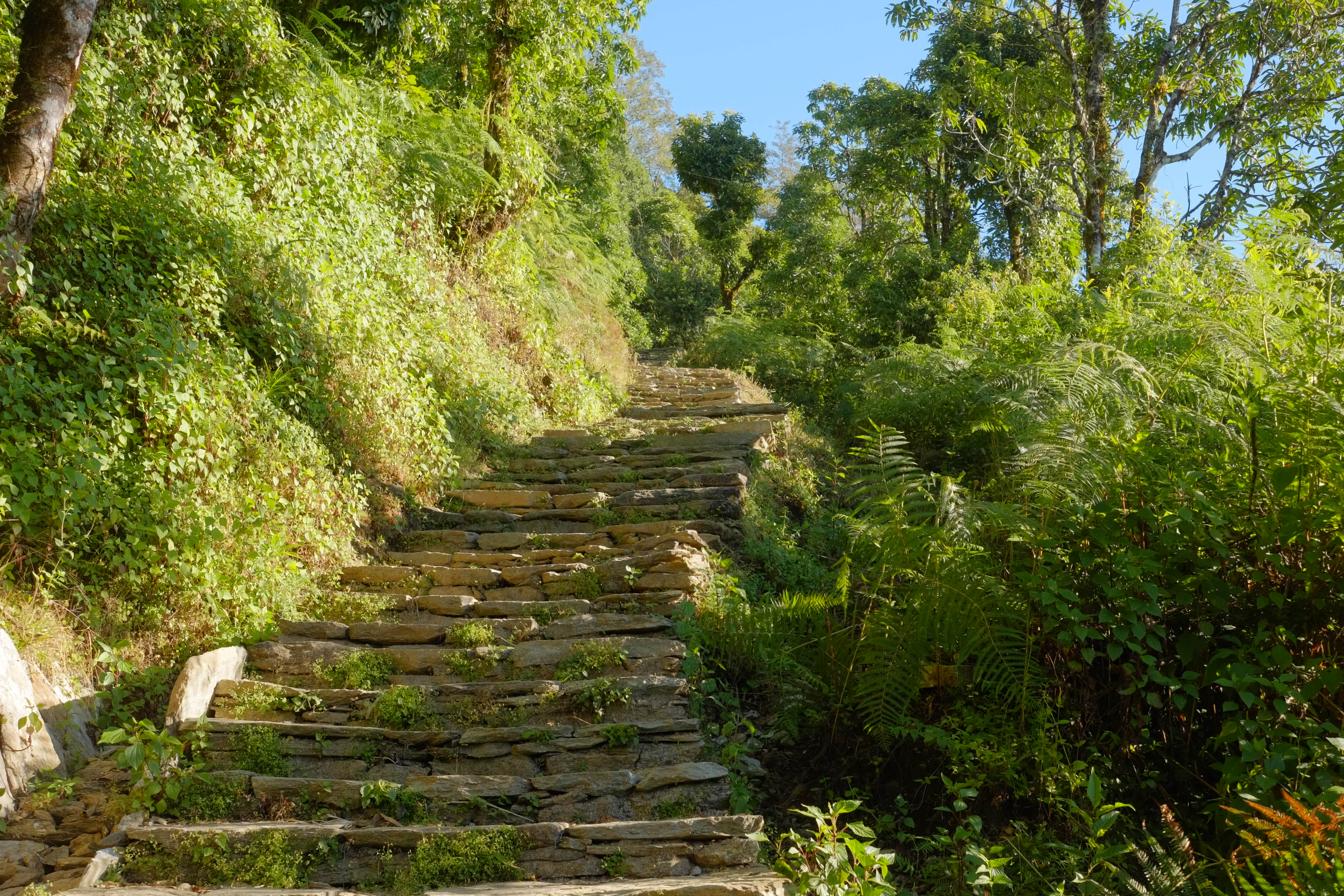
The first morning of the trek, up to Australian Camp, started with many stairs.
One of the items on my TODO list in Nepal was to go trekking in the Annapurna
region. The most famous option is the Annapurna Base Camp (ABC) trek, which is
a breathtaking trek right through the valley of Annapurna and up to the base
camp at about 4500m. However, that takes about a week and I was rather looking
for something cheap and cheerful. The owner of the hotel I was staying in
suggested the Mardi Himal trek, which is relatively new and a lot shorter (3-4
days), so fit the bill well. Although it ostensibly isn’t quite as breathtaking as ABC, it
definitely didn’t disappoint either.
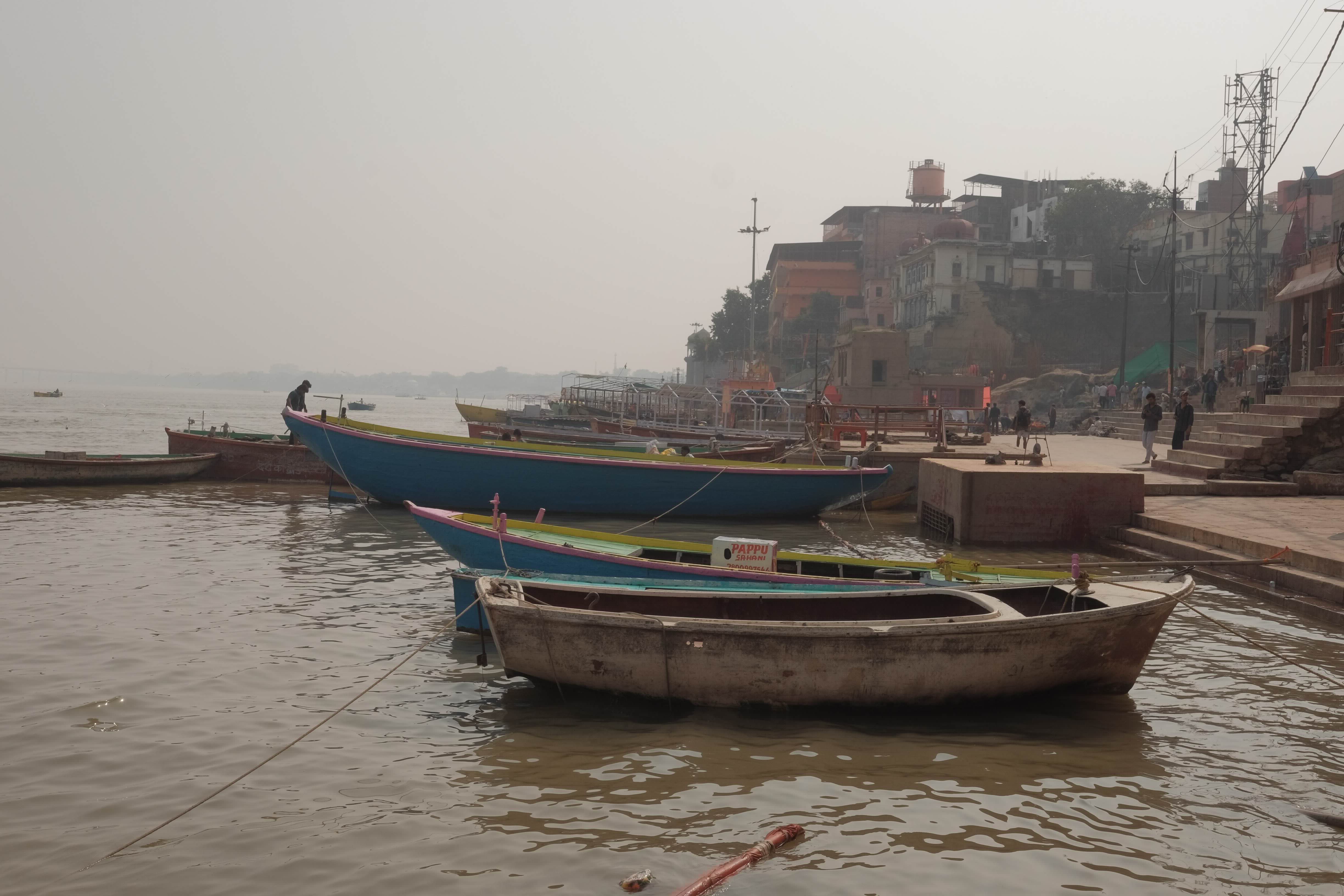
Varanasi is one of the world’s oldest continuously inhabited cities and frankly
it shows in some less than ideal ways: the oldest parts of the city consist of
dense housing and narrow labyrinthine alleyways. Now that’s not a problem
necessarily, as Venice and many cities in Spain are also built in the same way.
However, Varanasi takes city life to a new level. The alleyways are also home to
local cows, which while holy, do make a holy mess on the pavement and
hog up the streets, making it difficult to get to where you’re going. Other
animals are also present, wandering the streets, like goats. The animal
husbandry, combined with the open drainage channels down the streets, gives the
place a very “charming” medieval feel, but it’s not for the faint of heart.
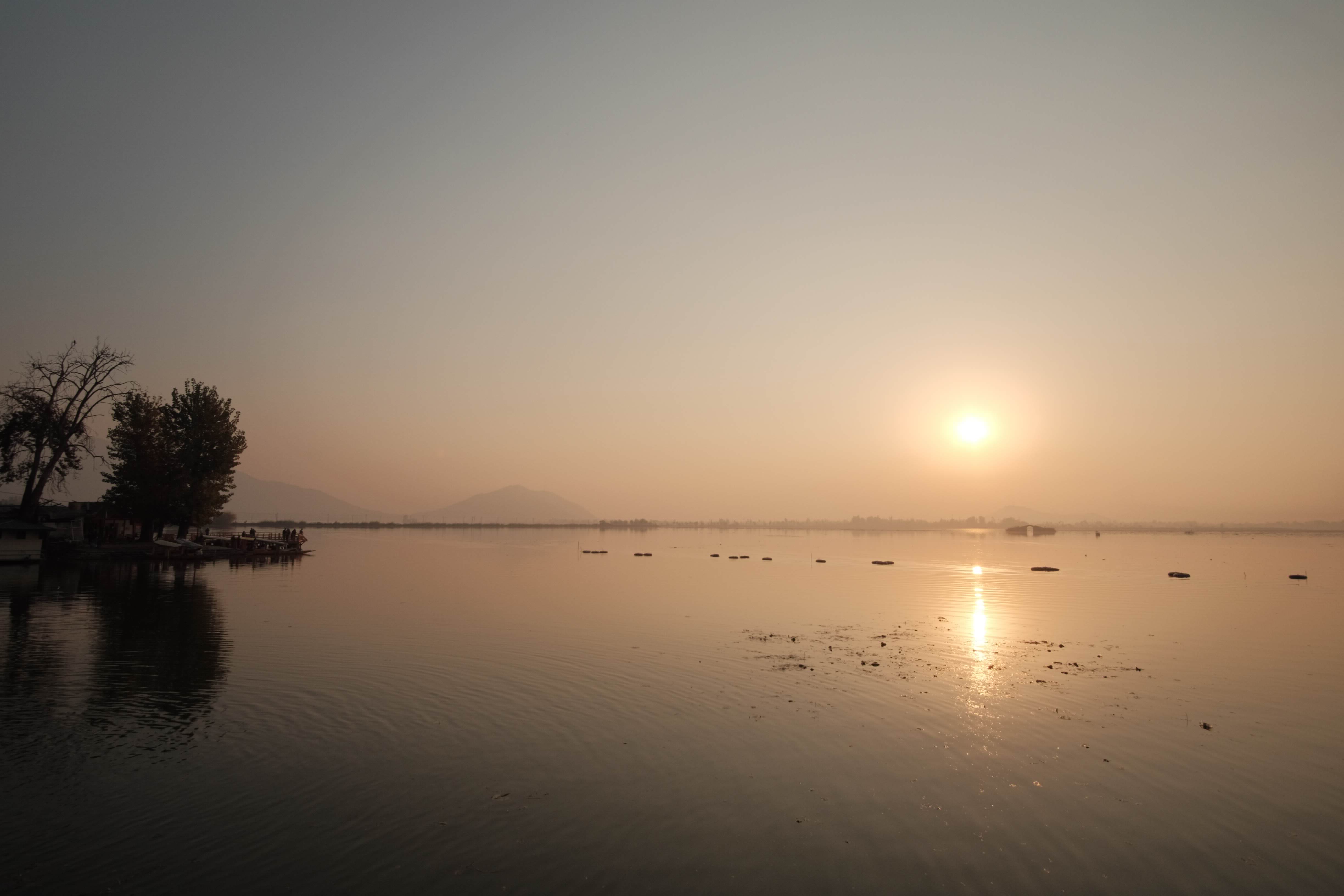
The sun sets over Dal Lake on a hazy autumn day in Srinagar.
The best part of a trip are always the unexpected turns and surprises. For
me, this manifested itself while I was walking down the street from New Delhi
railway station, hoping to get to my hotel. By chance, a fellow pedestrian
struck up a conversation with me as I was dodging through the
general chaos and detritus of the Delhi streetscape: autos, hawkers and strewn
rubbish piles; I’m sure you can imagine what it’s like. The fellow pedestrian
turned out to be an anglophile and very much into snooker. Particularly Ronny
Sullivan and definitely not at all that Chinese guy who’s ascendant. This made
for a humorous conversation, even though I know next to nothing about snooker.
However, as we talked futher about my plans for the trip, I showed him my onward
train ticket: it turned out that a simple mistake was about to change my whole
itinerary and send me to somewhere entirely unexpected!
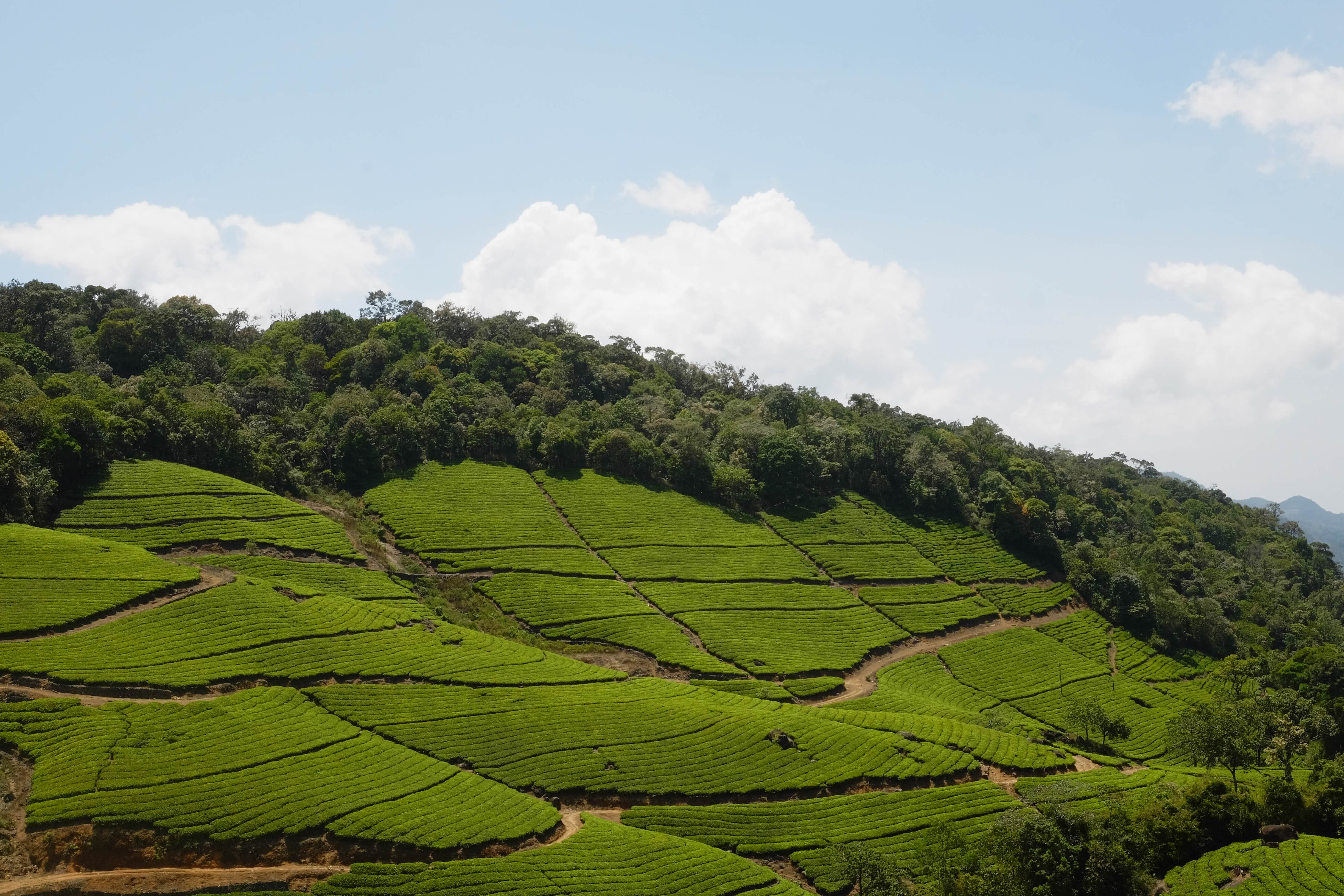
A view of the tea fields in the Kennan Devan hills near Munnar, Kerala.
After having experienced the hustle and bustle of Bangalore, the next plan was
to explore Kerala, a state which is located on the tropical south-western tip of
the subcontinent. On its coast, it is home to vast stretches of palm tree
adorned beaches, which are flanked by rice fields criss-crossed by small canals,
just as in Venice–though maybe a bit less flamboyant. Going further inland, one
meets the mighty Western Ghats mountain range, a high-altitude rainforest,
home to elephants and tigers, which is ideal for escaping the oppressive
humidity on the coast. Politically, it is also well-known within India for its
high degree of development: it has the highest literacy rates, life expectancy
and lowest impoverishment rates in the country. All great things. And they also
love a bit of communism too it turns out.
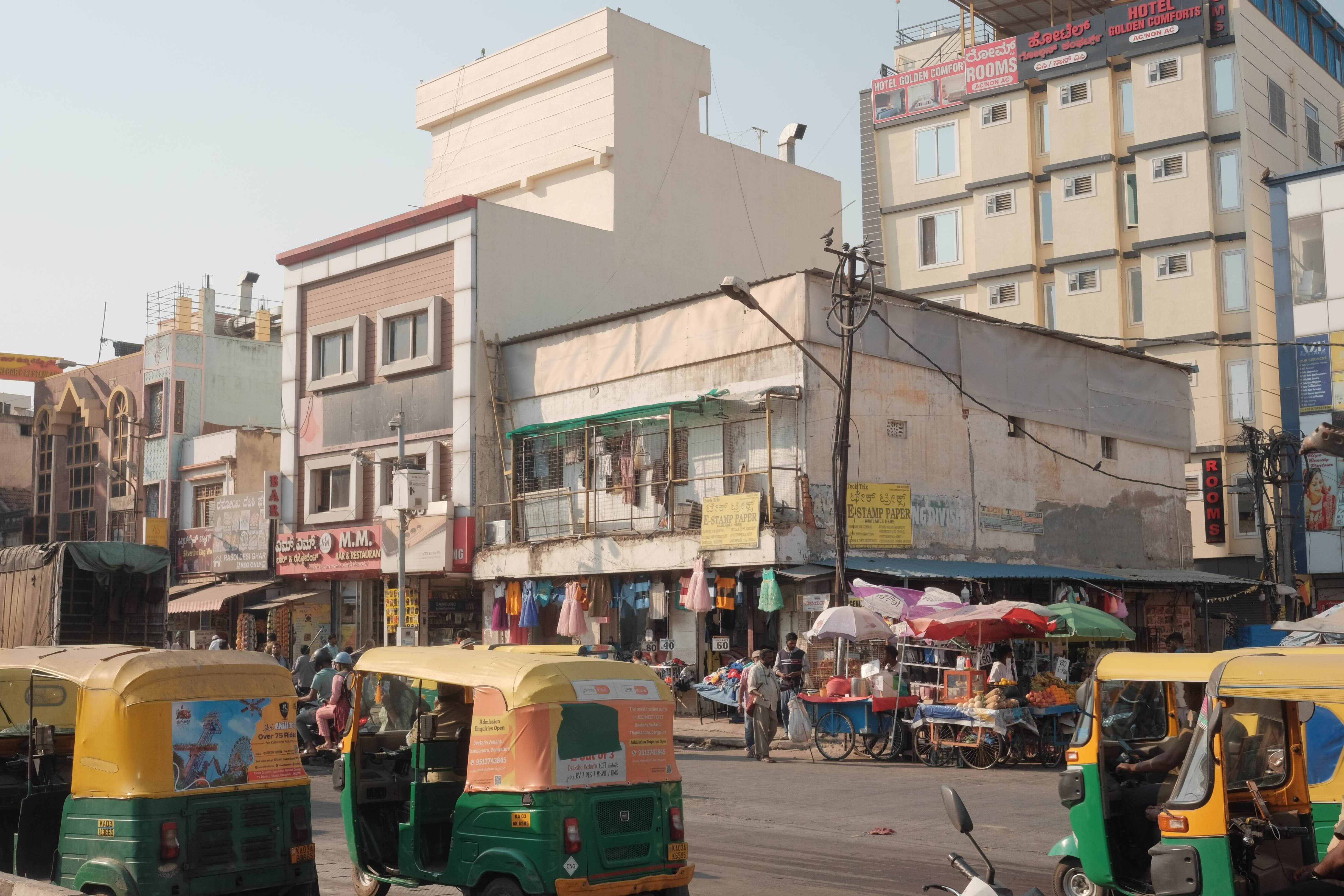
A streetscape in a slightly edgy neighbourhood in Bangalore.
Bangalore, which is known as India’s “silicon valley”, was my first port of call
for my trip to India. It was the winter semester break and I had just been
travelling around Venice and Triest, so my mind was hitherto occupied with the
calm and cultured sights of northern Italy. However, this collected state
disappeared as soon as my first night in India, when my
long-neglected sense of culture shock arose again and brought me back into the
present with the overwhelming feeling of newness that all travelers crave.
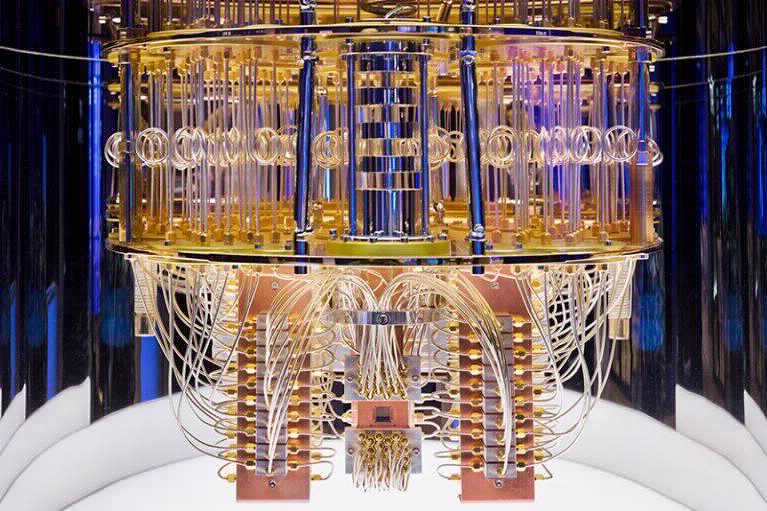
Bells and whistles: unless you have one of these in your cupboard, you might have to settle for classical simulation.
I was recently playing around with a research artefact from the paper
Grafeyn which implemented some
interesting techniques for circuit simulation. Also, it was written in Rust, so
that doubly piqued my interest! Here’s what the paper has to say about itself…
I was returning to Triest on the coach, when overhead a troupe of fighter jets
flew right over us, emanating smoke trails in the colours of the Italian flag
behind them. Needless to say this was quite a surprise! It was because there
turned out to be a major event occurring in Triest on that weekend: the return of
the Amerigo Vespucci to Italy after a two-year long tour around the world.
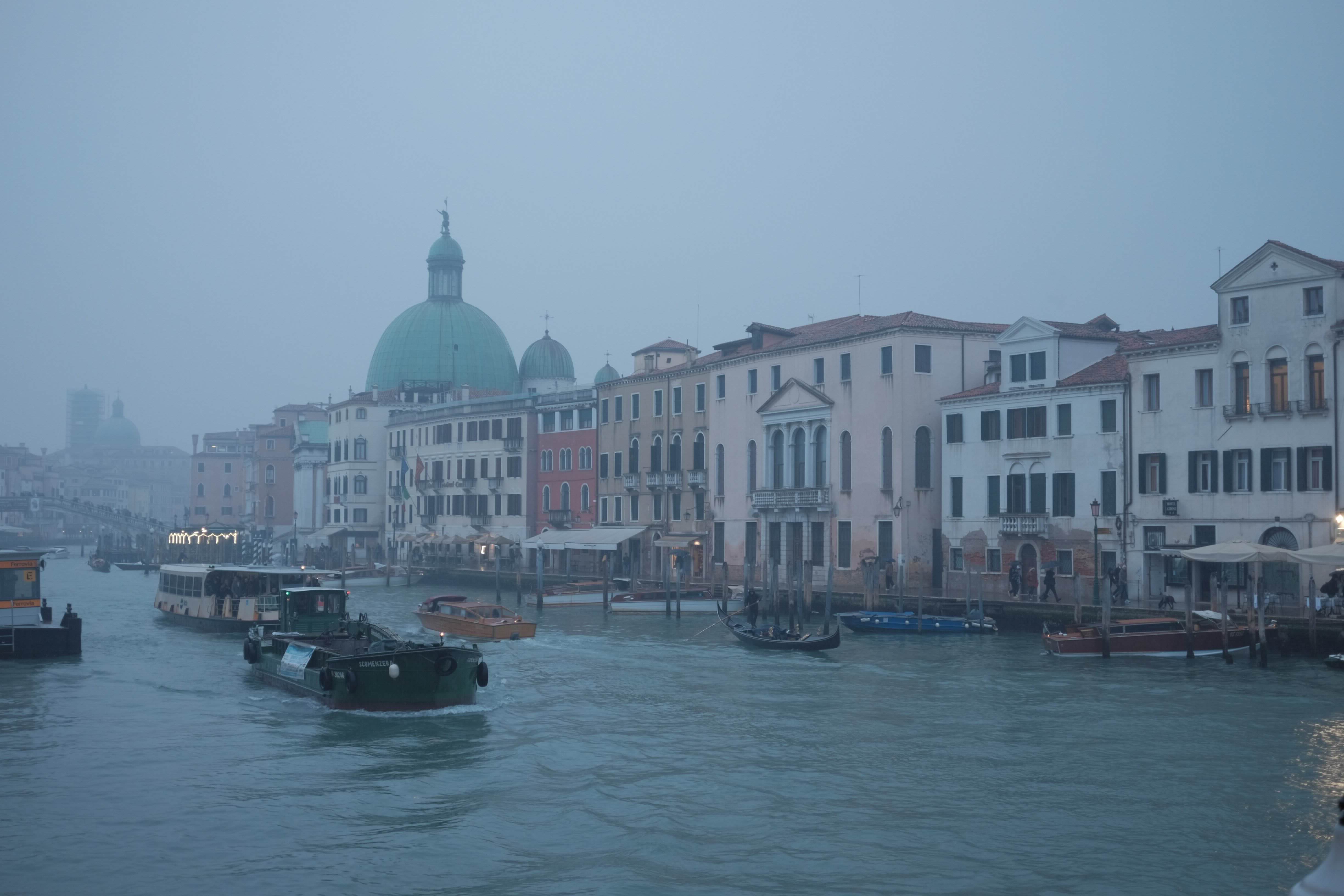
The gloomy weather in February keeps all but the most keen tourists away.
I’ve long been putting off visiting Venice as it has a reputation of being one
of the most touristy places on Earth. It’s known as a place where the streets
are clogged with Chinese and American group tours and everything is absurdly
expensive to match. Then there’s the government’s response to the
overtourism–fleece the tourists even more. Nope, neither of those sound
particularly appealing. However, now that I live in Munich, it’s pretty easy to
get a coach there and it’s not only cheap, but traverses some of the most
beautiful countryside in Europe on the way there as it goes directly through the
Alps on the Brenner Pass. So clearly it was finally time to make the plunge and
visit.