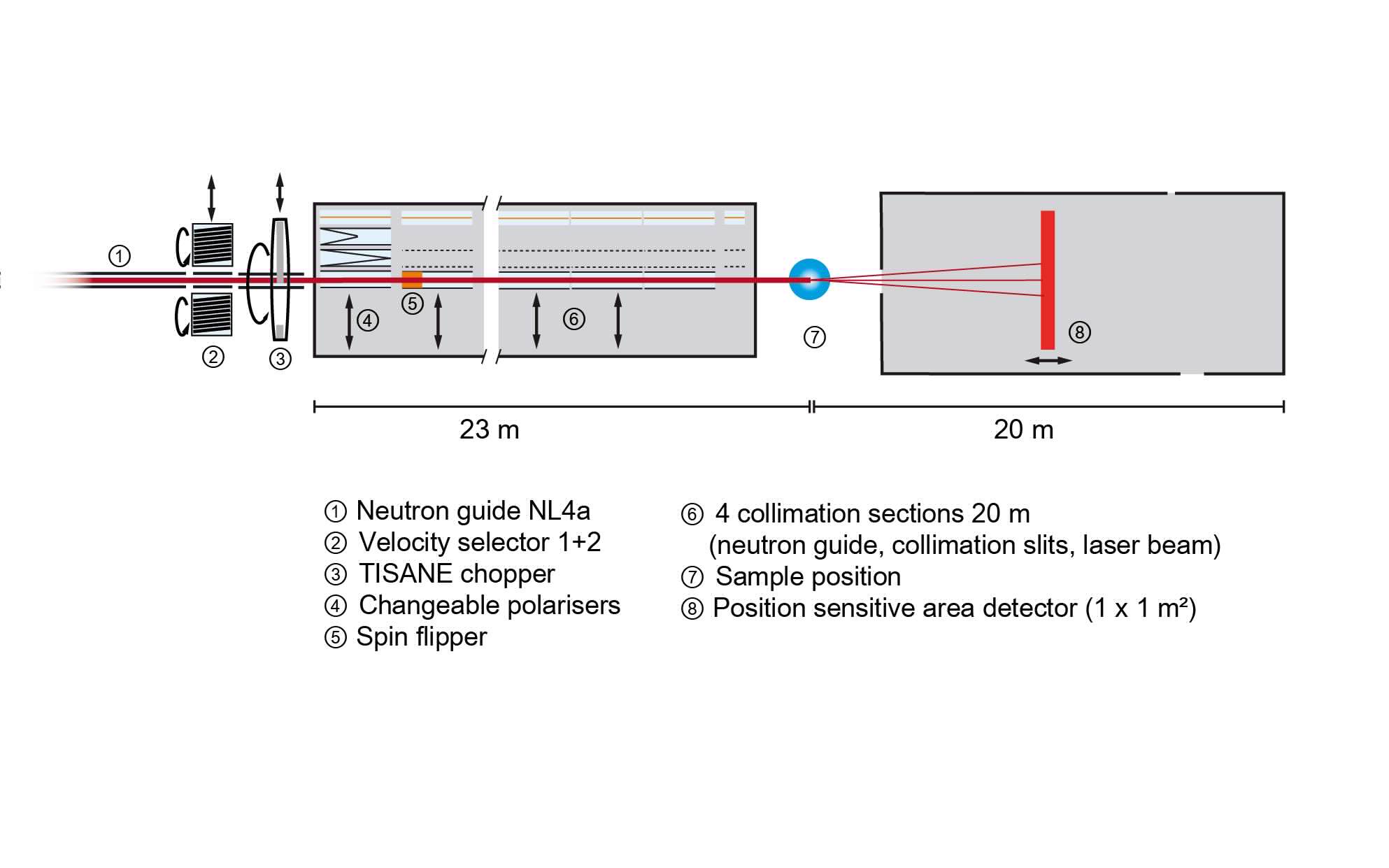
Small angle neutron scattering for materials research uses a high-energy particle accelerator to produce scattering amplitude functions. However, the physics behind the neutron scattering is well-known and can be simulated on supercomputer clusters, provided an initial seed trajectory and molecular (MD) information is given.
I recently completed a project where I improved the performance of a program for neutron
scattering physics simulation by using CUDA to get some quite large
performance gains. Despite the existing application already being
written for super-computer clusters with MPI, writing a CUDA scattering
implementation, offloading some nodes to the GPU, and
allowing for a “hybrid” CPU/GPU computation model that still supports CPU clusters
worked surprisingly well.
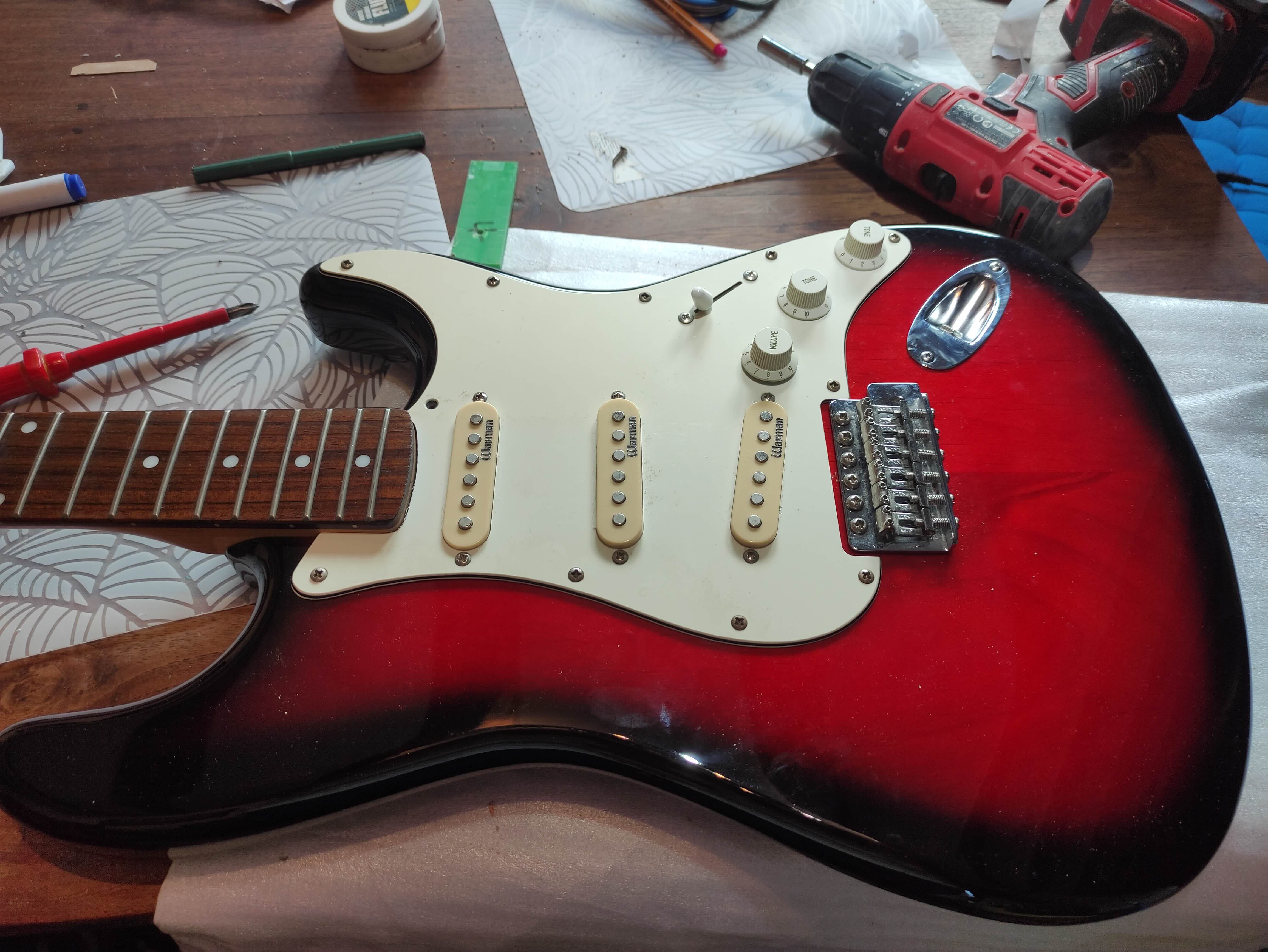
After a year’s hiatus from playing electric guitar (I usually play fingerstyle
pieces on my acoustic nowadays), I had rediscovered my baby blue Tanglewood
Stratocaster, which was my first guitar. I had already modded it to the stage
where not much of the original guitar remained. The bridge was replaced by a MiM
Fender one, the tuners are now retro-style Washburn tuners, and similarly the pickups have
also been long since replaced by some nice “Warman” pickups made by a bloke in Wales.
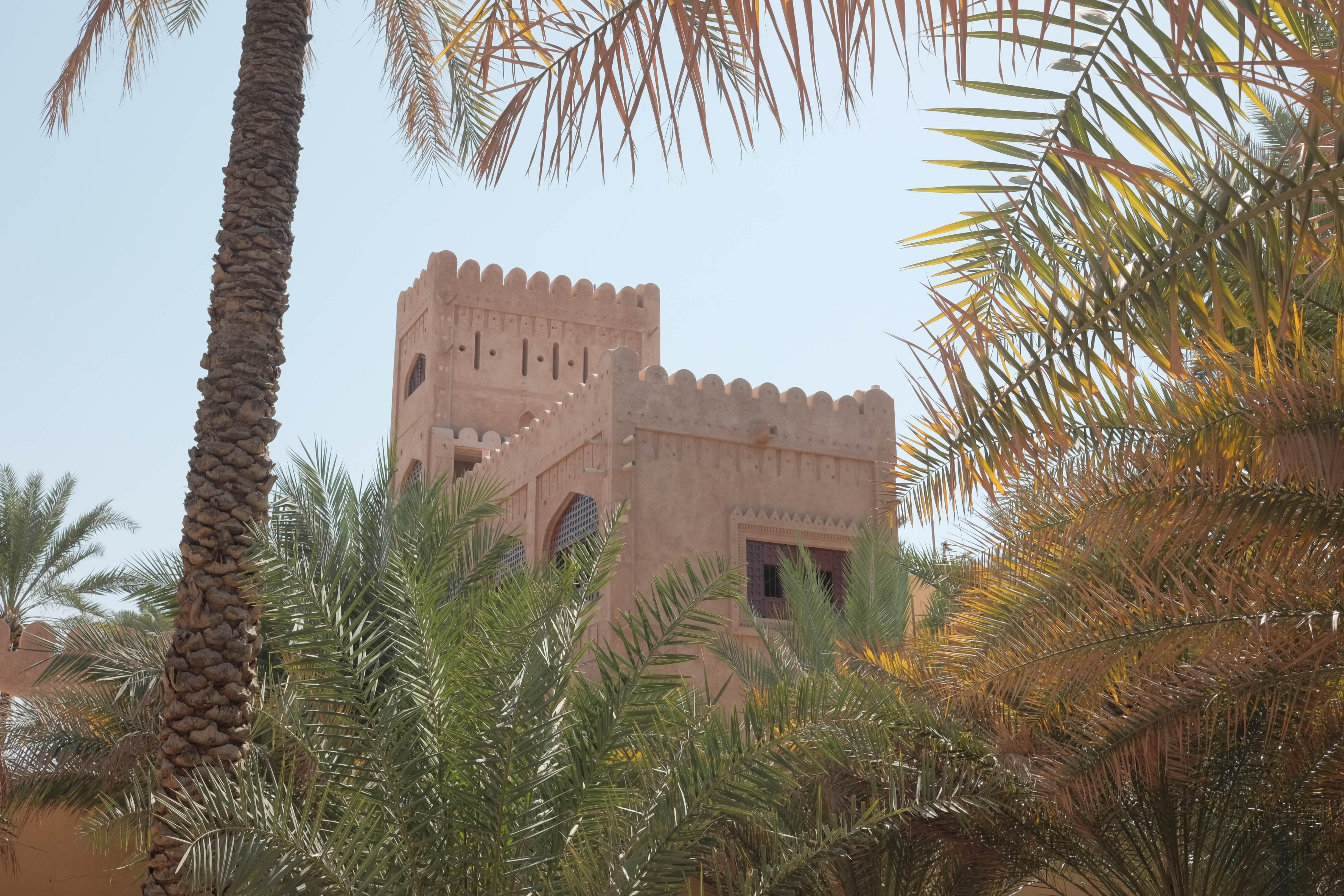
Despite Oman having a long history, there wasn’t much evident of it in the
capital city Muscat, which is a city caught between being a hectic
middle-eastern metropolis and a resort town for rich oil-sheiks, depending on
where you are and your station in life. Therefore, in search of some history, I
took a coach out to Nizwa, a major city and oasis town in the desert interior of
the country.
Mustcat, Oman, is a busy city of about one and a half million people. In districts like
Al-Gubrah, it has wide, traffic-jammed boulevards lined with tall concrete
buildings. There often isn’t any pavement but instead the side of the road is a
car park for the shops on the ground floor. The sun was scorching when I
visited in October and the temperature around 39c. Therefore, I wanted to stay
in the shade as much as possible and that meant keeping close to the shop
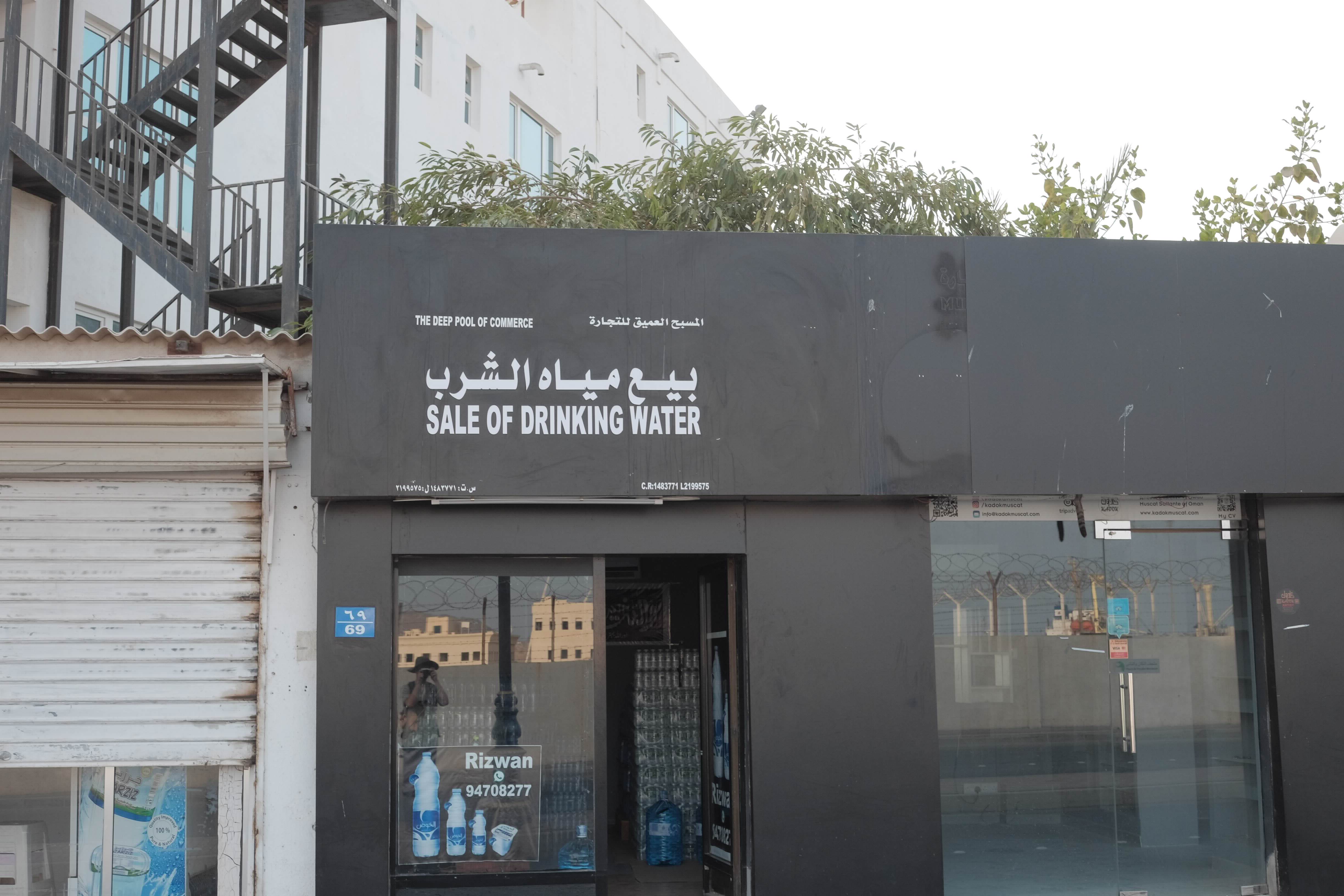
fronts. However, the more I walked around, the more amusing I found the names of
the shops!
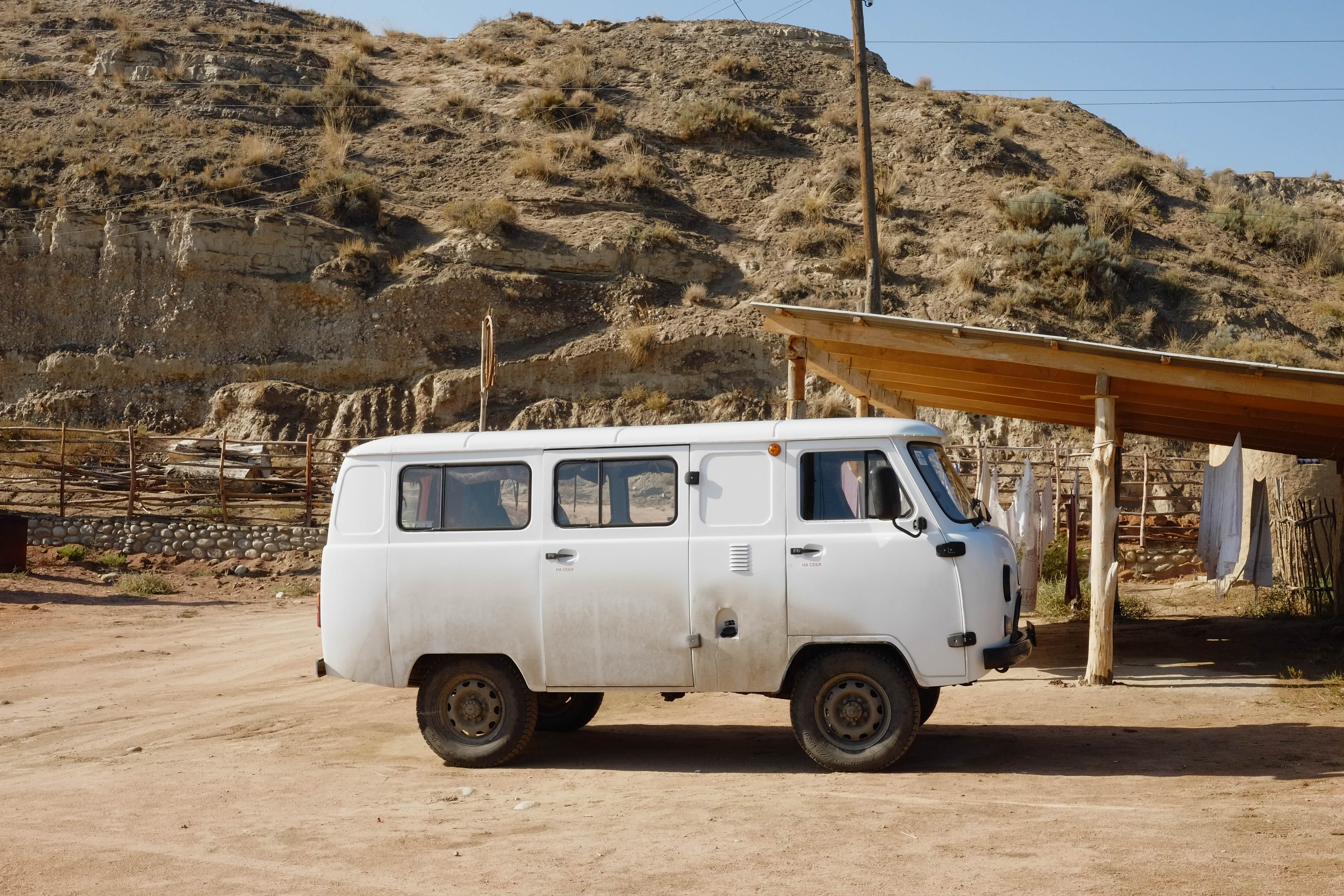
One of the highlights of the trip to Kyrgyzstan was taking the UAZ, the
go-anywhere vehicle, up into the remote fringes of the country. It was the type
of journey for which the van was designed and I was not disappointed! The
scenery encountered along the way remains some of the best I’ve ever seen and
being able to drive around essentially anywhere unrestricted or meeting
much sign of human life remains a priceless experience for me.
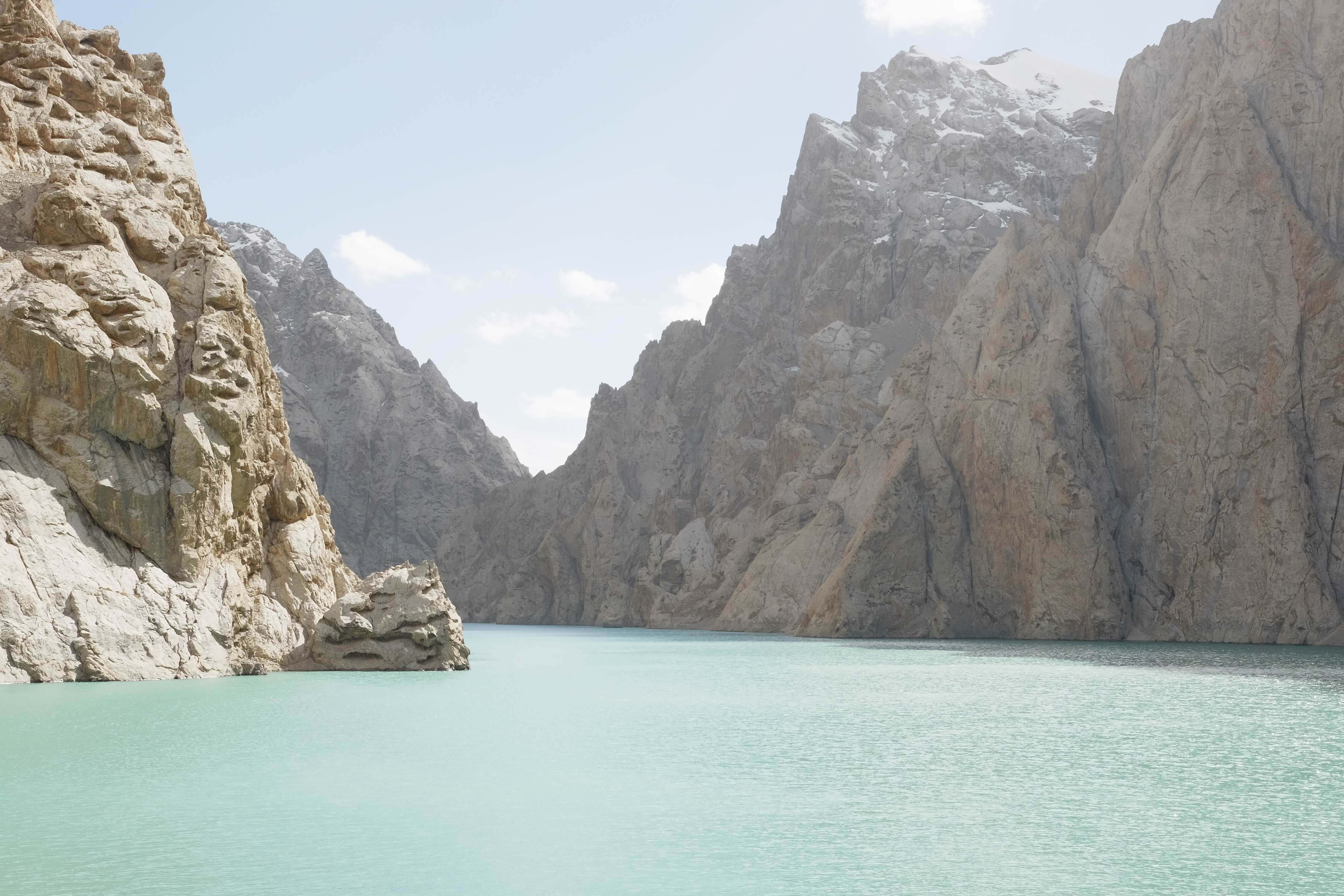
The aim of the journey was to see Kol’su lake, an alpine lake hidden
between the peaks of the central Tian Shan mountain range, which separates
Kyrgyzstan from China. The lake itself sits at an elevation of 3514 metres.
The lake itself has an air of mystical quality about it: Kol’su was formed by a
seismic event in the 1970s and has no proper outflow. Nevertheless water
manages to escape underground through cracks in the rock formations and through soil. This
causes it to occasionally dry out entirely, before it can be resupplied by the
Kurumduk river.
You are cruising the pacific coast of California in your Mustang, the wind flows through
your hair and the engine purrs as you thread the car through the gentle turns along the
coastal highway. What could be better? How about trundling along in a UAZ!
The smooth and fast road leading into Barskoon Valley.
On my recent trip to Kyrgyzstan, one of the highlights was the beautiful
Barskoon Valley. On the south shore of Lake Issyk-Kul, sits the town of Barskoon
and this road brings you up into the Tien-Shan mountains and beyond. Somewhat
unusual for Kyrgyzstan, is that this road doesn’t totally suck! We managed to do
about 90 km/h in our UAZ on this dirt track, while we could only manage about 20
km/h when we were travelling in the south of the country around Naryn.
Often when I am blogging, I am describing past events such as holidays and one of
my hobbies during those times is to take some snaps. Hakyll, my static site
generator, lets you write these articles in markdown format, insert image tags and have them rendered by pandoc
into HTML.