Kashmir
posted on 24 November, 2025 by Dan Vonk in travel, personal
The best part of a trip are always the unexpected turns and surprises. For me, this manifested itself while I was walking down the street from New Delhi railway station, hoping to get to my hotel. By chance, a fellow pedestrian struck up a conversation with me as I was dodging through the general chaos and detritus of the Delhi streetscape: autos, hawkers and strewn rubbish piles; I’m sure you can imagine what it’s like. The fellow pedestrian turned out to be an anglophile and very much into snooker. Particularly Ronny Sullivan and definitely not at all that Chinese guy who’s ascendant. This made for a humorous conversation, even though I know next to nothing about snooker. However, as we talked futher about my plans for the trip, I showed him my onward train ticket: it turned out that a simple mistake was about to change my whole itinerary and send me to somewhere entirely unexpected!
The itinerary was all precisely laid out. I would stay in Delhi for a few days, while making a day-trip to Agra to see the Taj Mahal and possibly also out to Rajasthan, the desert state home to many impressive forts and palaces–if possible. After which, I would take a night train east to Banares, the holiest of all Hindu cities, to see the Ganges. However, upon scrutiny by this friendly pedestrian, the whole plan fell apart due to my misplaced trust in my railway booking. I had bought my train ticket on a third-party website (12go.asia to be exact) as one can only book directly through the Indian Railways website with an Indian phone number. The ticket itself looked fine and official: it had my name on it and the exact train I wanted to take. It even said “CNF” on it for “confirmed”. However, little did I know that confirmed means next to nothing on the Indian Railways! Confirmed status is only a placeholder until your allocated bunk number appears on the ticket, which of course mine never did, and tickets are usually sold out weeks before the train’s departure, so re-booking wasn’t an option. The friendly pedestrian explained all of this and then brought me to a hole-in-the-wall travel agent in an obscure street somewhere near Connaught Place. I was dreading this, to be honest, as I knew this was a great opportunity for someone to make some dough from a tourist with no other options. Although this is exactly what happened, I’m not too sore about it as the resulting trip was highly worthwhile and well-removed from anything I would have planned.
The travel agent was a cheerful and fairly rotund man, who clearly had been doing this for a long time. He waxed poetically to me about his travels in England, having been to Chester and surrounds only a few weeks ago. Likewise, he showed me all of the tourism awards bestowed upon him by the high and mighty of Indian society. After a short introduction, I explained to him my situation as well as my general plans for the trip. Of course, he promptly ignored my plan to spend a few days in Delhi and then go eastwards. Why should I spend time in Delhi, he said. It’s a horrible and polluted city. Now this wasn’t exactly untrue: while I was there, the AQI air quality index was hitting record levels of pollution (over 400) and the air was smoggy and sulphurous, with a grey haze hanging over the place. Instead, I should go to Kashmir, he opined. Of course, the fact that he was Kashmiri and was planning to send me to an acquaintance’s homestay was a pure coincidence, I’m sure. There was a bit of back and forth but ultimately I relented to his suggestion on the condition that this diversion to my travel plans only last a few days and that he book my onward train travel. His colleague then asked for my Booking.com account, where I had already made all of my hotel bookings for the trip. As I would now be delayed by 4 days, these all had to be cancelled. This was no big deal he explained, as they were experts in coming up with all sorts of excuses (medical etc.) to cancel bookings without incurring fees. After coughing up payment, padded by a couple hundred euros I’m sure, I found myself being led into a taxi, headed directly to the airport for the next flight to Srinigar, departing in an hour and a half.
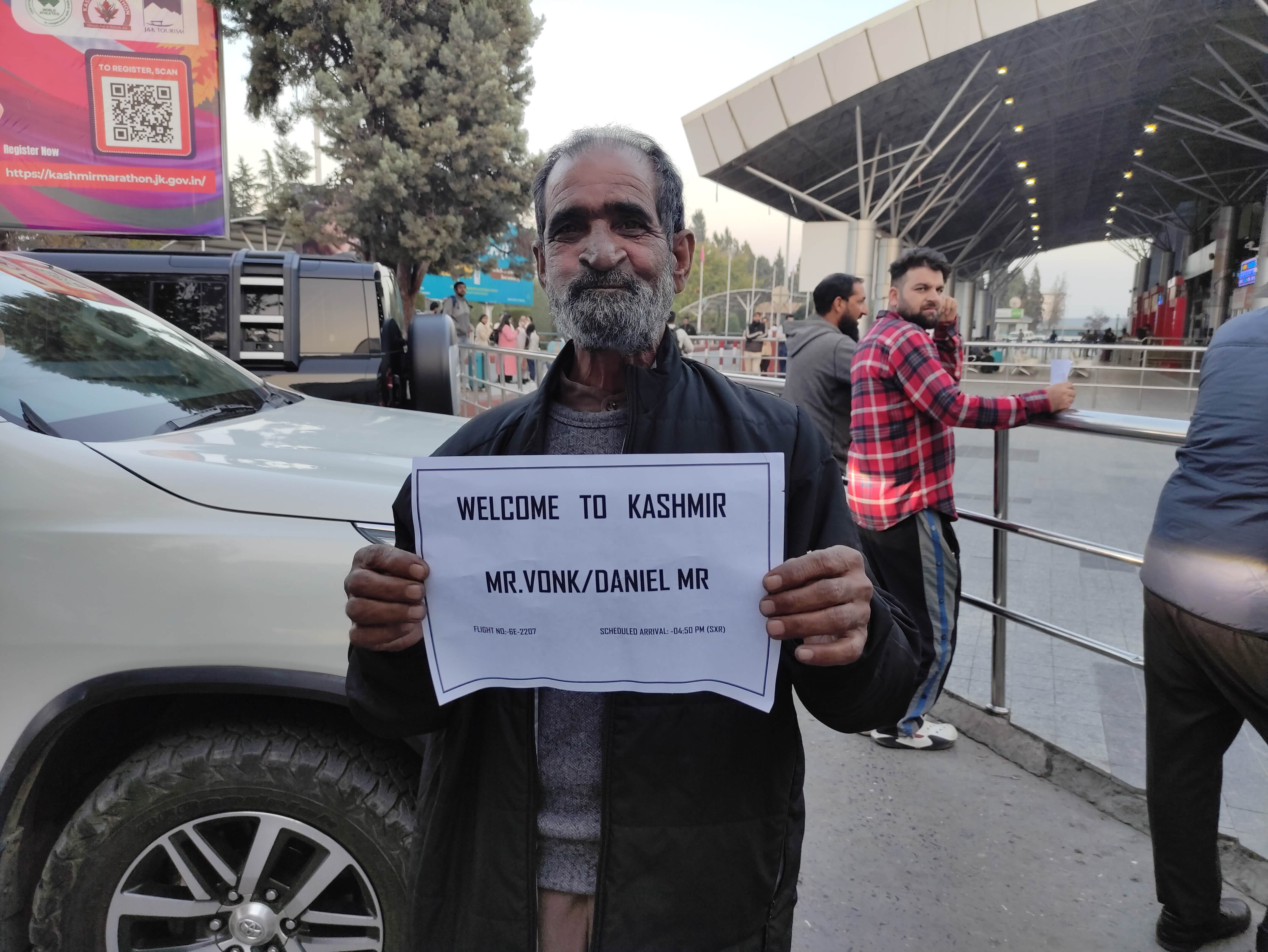
The flight itself was only about 40 minutes and unremarkable excepting the beautiful descent into the mountainous vale of Kashmir itself. I did have a short chat with a woman behind me though, who thought it was insane for a person to visit Kashmir solo, which I at first found funny, but led me to realise that the exotic mysticism of the name Kashmir (in my head at least!), as exemplified by the famous Led Zeppelin song, is overshadowed by the decades of conflict and unrest in the minds of people here. This was very much confirmed as I stepped out of the plane and onto the tarmac; the airport seemed more like a military base than a civilian airport, with armed soldiers patrolling up and down and huge Indian flags displayed proudly about the place just so we remembered that we’re not in Pakistan.
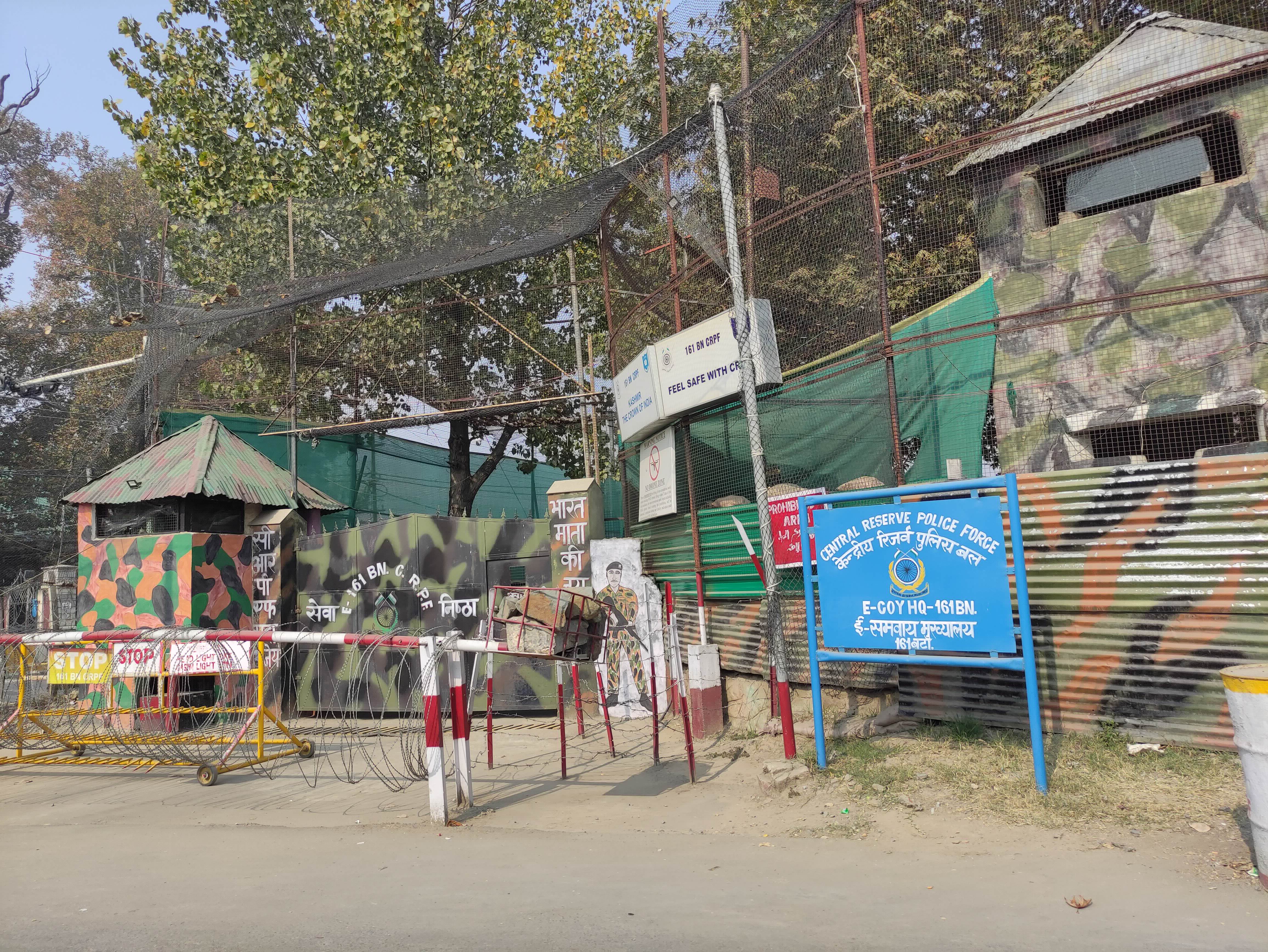
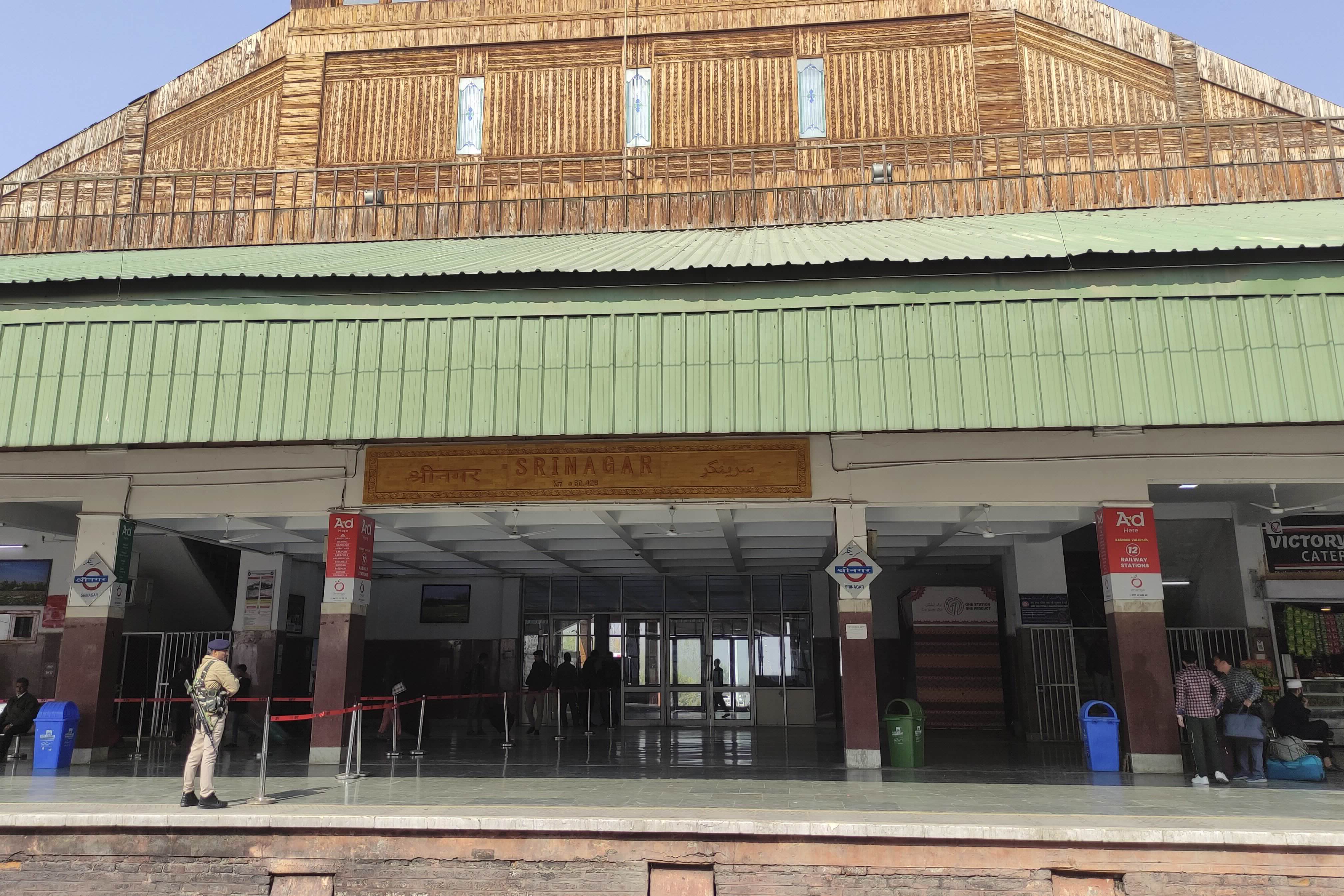
The initial experience of driving from the airport, through the streets of Srinigar, to the homestay was jarring. It felt like a completely different planet from Delhi, where I had been just a few hours earlier. The most striking thing was to see the level of security virtually everywhere. There were groups of (paramilitary) soldiers holding their rifles and standing around at virtually every major intersection in the city, often manning checkpoints, as well as many others on patrol through even quiet looking residential streets. Srinigar was also not short on military apparatus: it’s very common to see machine-gun nests, armoured personnel carriers and barbed-wire installations guarding the streets. I also didn’t have any mobile phone signal for the duration of my stay as normal Indian SIMs don’t work there for security reasons.
I later chatted with one of the soldiers, who explained to me that they are almost never from Kashmir themselves, but rather sent from other, far-flung places in India to serve on the frontlines in the mountains or to police the citizenry in the valley. As such, the citizens of Kashmir sometimes feel alienated and under occupation by their presence, given their different cultural and usually religious backgrounds plus the isolated nature of the Kashmiri people, being closed in on all sides by the high mountains of the western Himalayas. It also seemed that a lot of the security presence in the valley was rather for anti-insurgency purposes than protecting the people from any kind of Pakistani threat.
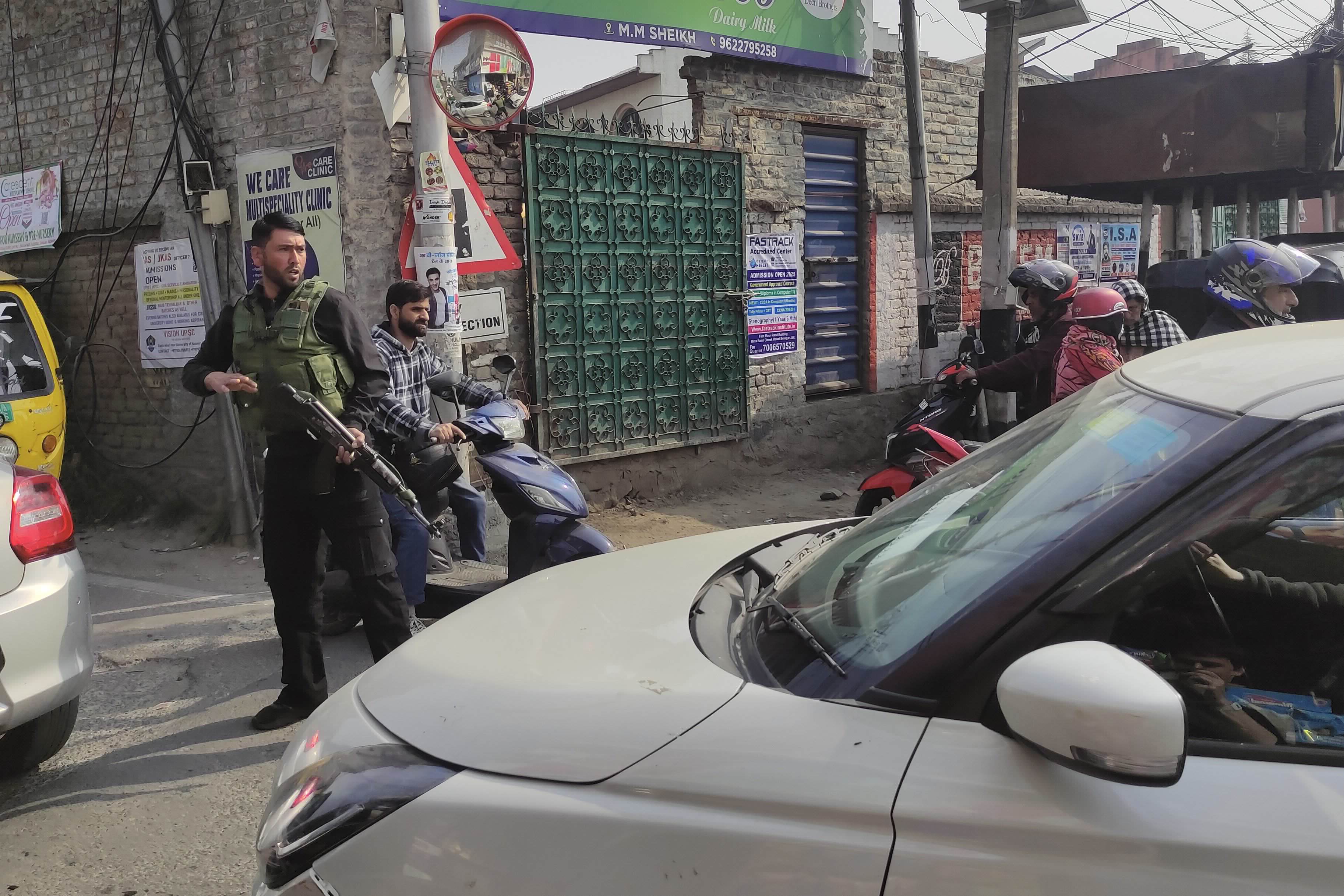
Nevertheless, the military seemed professional and somewhat reassuring from a tourist perspective. The Kashmiri police on the other hand looked a fair bit more menacing! They seemed usually to dress entirely in black with a bullet-proof vest and wield an AK-47. As they are recruited from the local Kashmiri population, some have a beard or wear Pashtun hats or headscarves, which, for better or worse, has a slight connotation from a Western perspective.
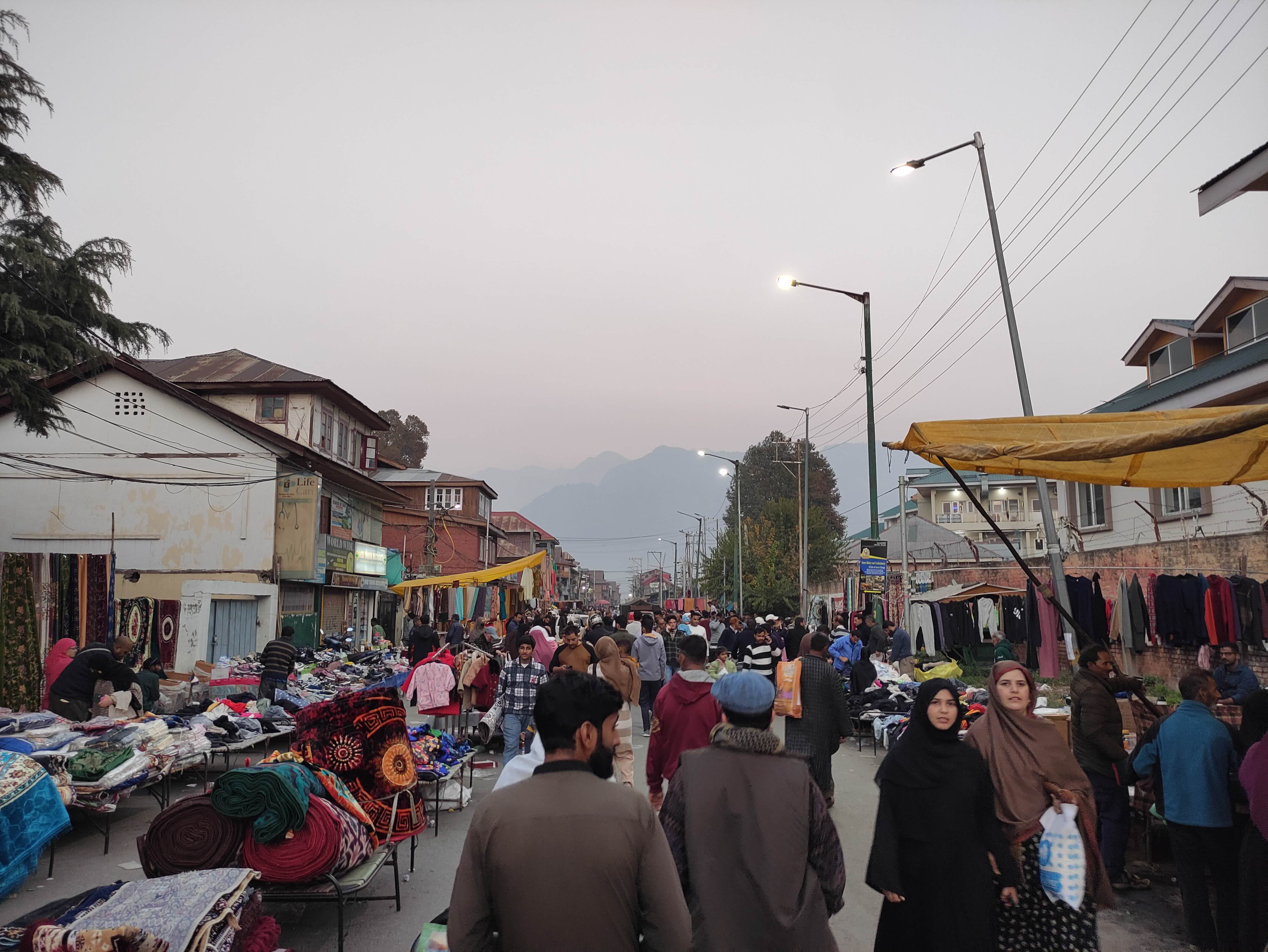
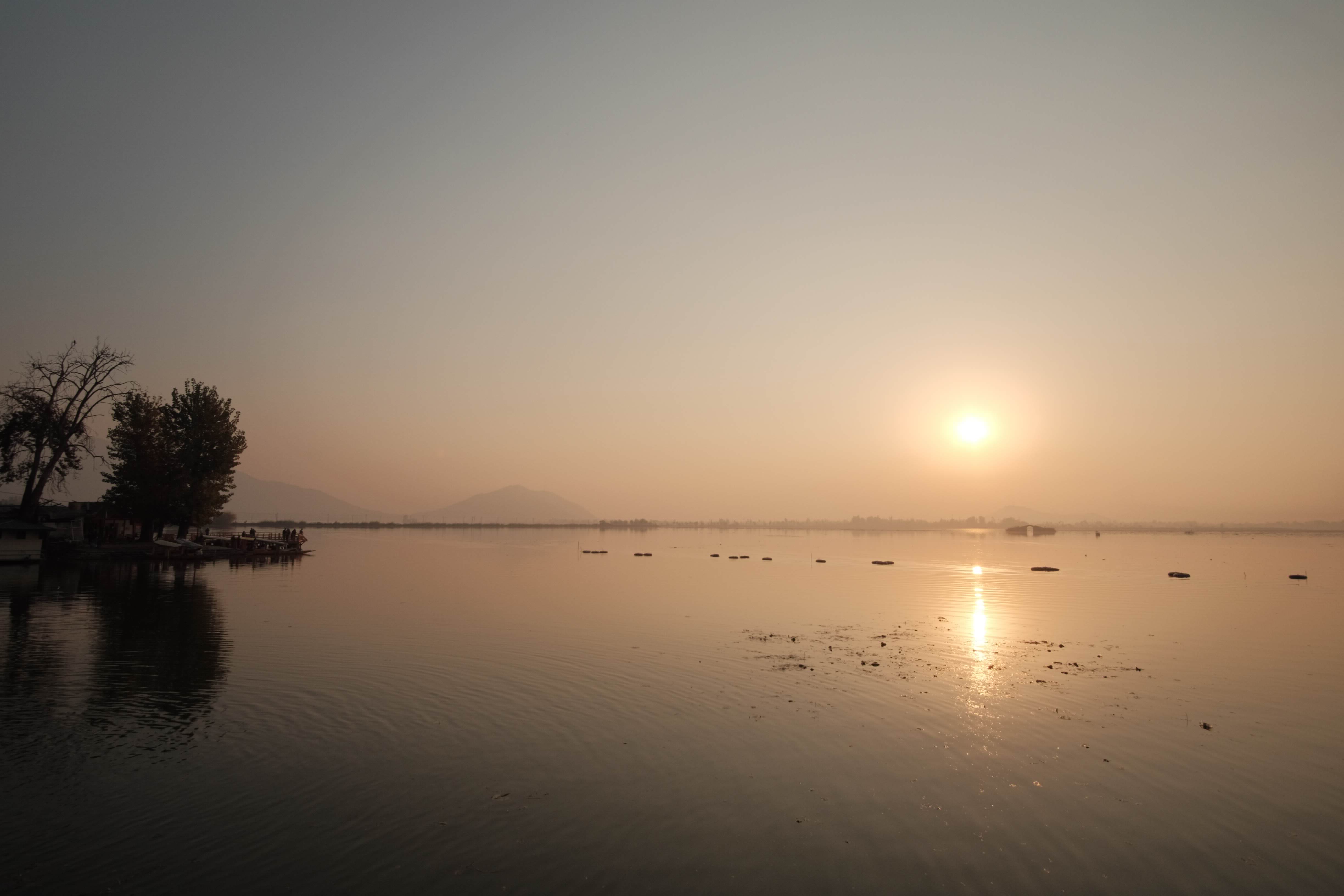
As for the town itself, I visited Kashmir in late Autumn and as such the weather was hazy in the valley, which meant I didn’t get the fantastic views of the mountains from Srinigar. It’s especially popular to take a boat/gondola (shikara) on the lake and view the mountains from the water, which imposingly rise to ~3800m on all sides. Nevertheless, I still found the lake interesting as the outer parts of it still felt charmingly rural, with farmers growing lotus flowers in their floating paddocks and kingfishers perched on the boundary fences, waiting and watching. Srinigar also has an old town, where narrow lanes intersect rows of historical timber-framed homes and shops, where one can buy the essentials like a samovar and copper cups. I also visited Khanqah-e-Moula, the oldest mosque in Srinigar, which is an intricately carved wooden building decorated in papier mache. This was very heavily policed by both security forces and Kashmiri police so I didn’t manage to take any photos.
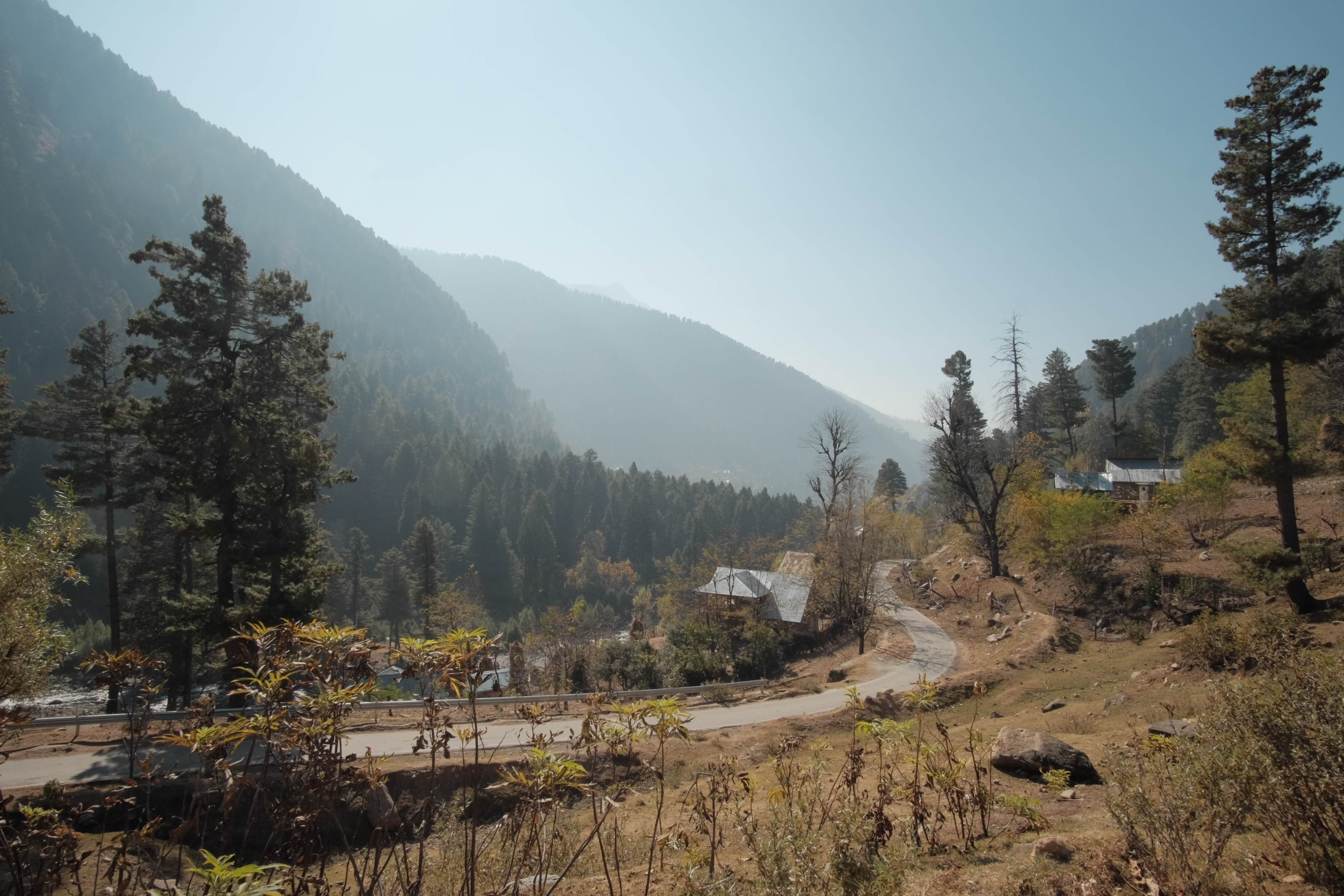
For me, the main attraction to Kashmir is its natural beauty, so I made sure to get out into the mountains ASAP. The most popular destination coming out of the city is Sonamarg, a hill-station set in a high valley with alpine meadows and surrounded by high peaks and glaciers. However, due to recent militant attacks, I was told that one is only permitted by the military to stay up there for a couple of hours, which makes the drive from Srinigar not so worthwhile. Of course, it’s hard to say whether this is actually true or whether my driver just didn’t feel like the trip on that day.
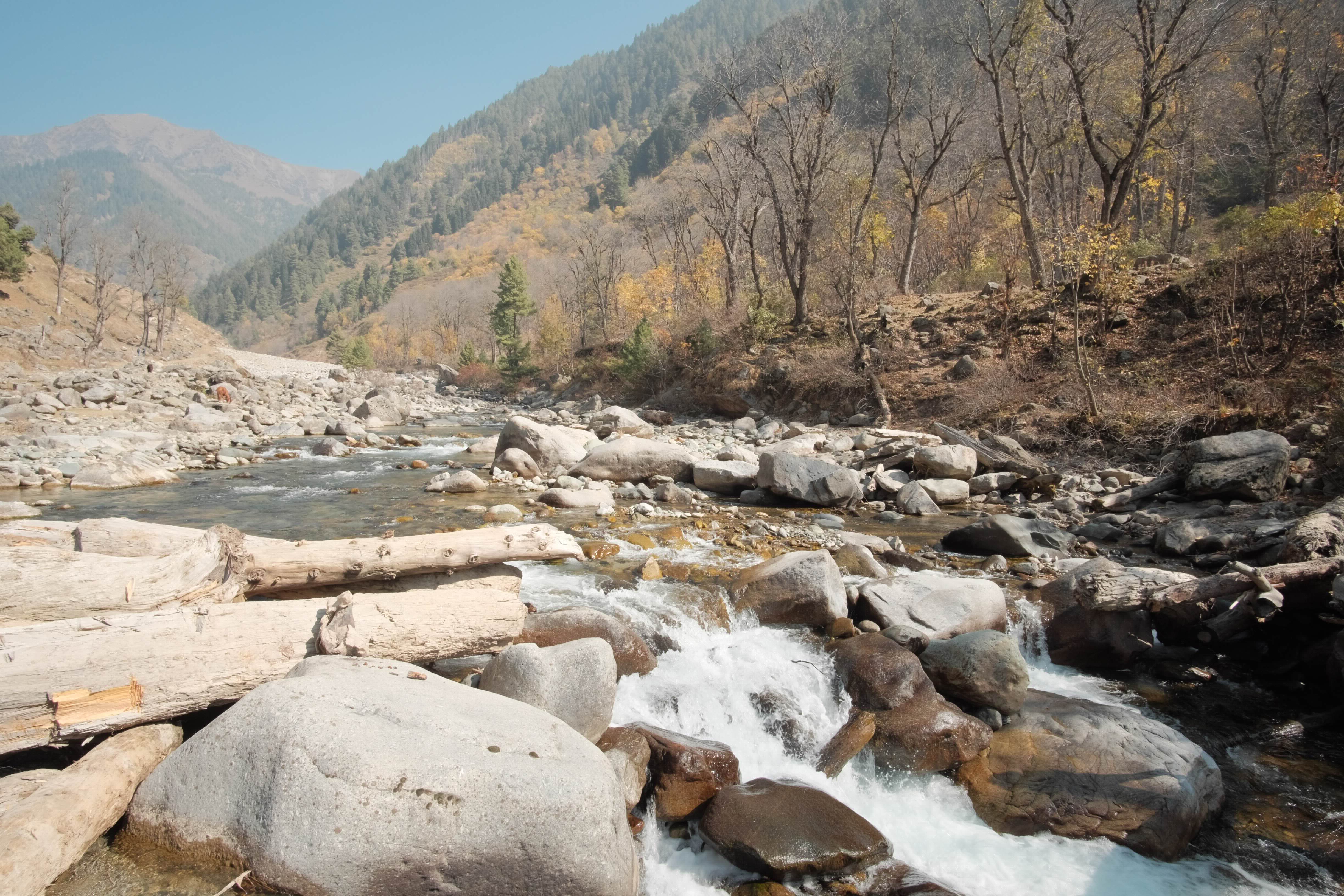
So instead, my driver dropped me off in a lower valley and I was guided by a schoolboy (and entrepreneur with Tripadvisor and Facebook page!) along the brook and up into the mountains. The scenery was definitely a nice change from Srinigar as the sky was clear and much fresher than the polluted, hazy air in the city.
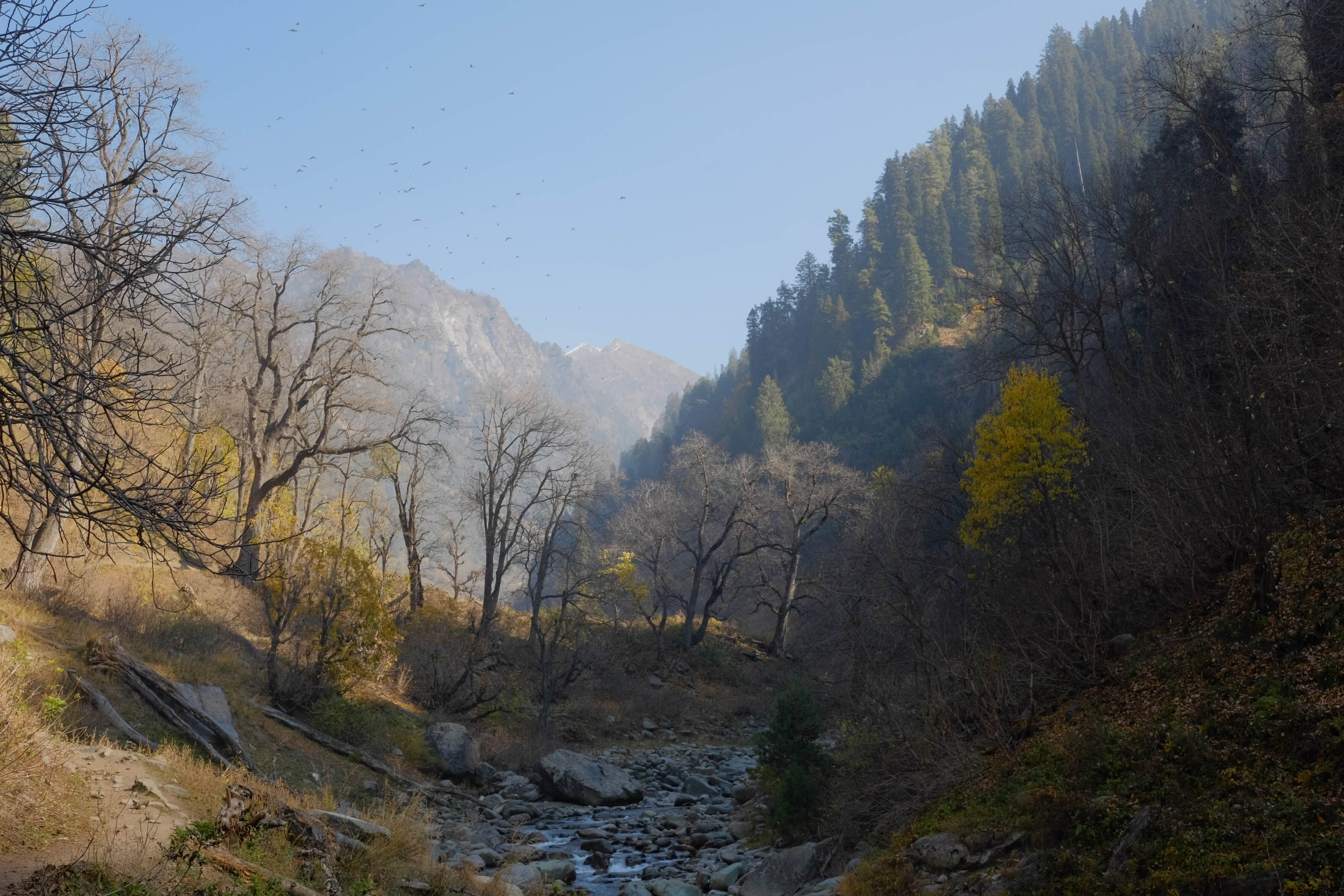
Amusingly, my guided tour of the mountain valley turned into a bit of a side-quest as another local village boy came and joined us. He said that he needed to go up into the valley to look for a missing pony, who had gone off on his own adventure, so my day was now imbued with an important mission!
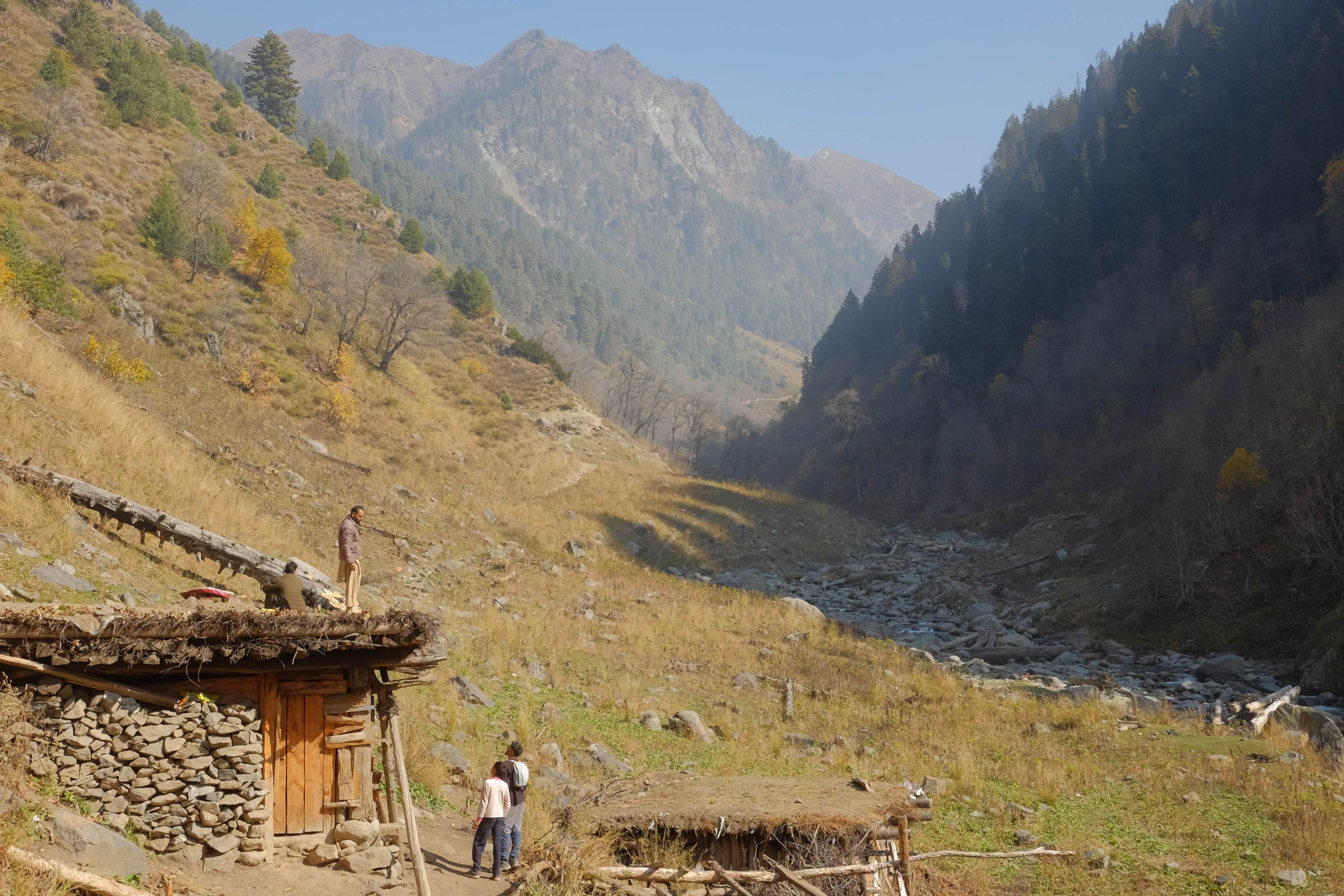
We did end up finding the pony after a few hours. It had decided to hang out beside the mountain stream at the bottom of a steep cliff-face and therefore his extraction was a bit tricky, but the village kids seemed quite adept at this sort of thing. On the way back, I felt a bit sorry for the horse at times, as they did like to whip it with twigs they found on the floor–although it was a very obstinate creature and ran off multiple times before being caught again, I do admit.
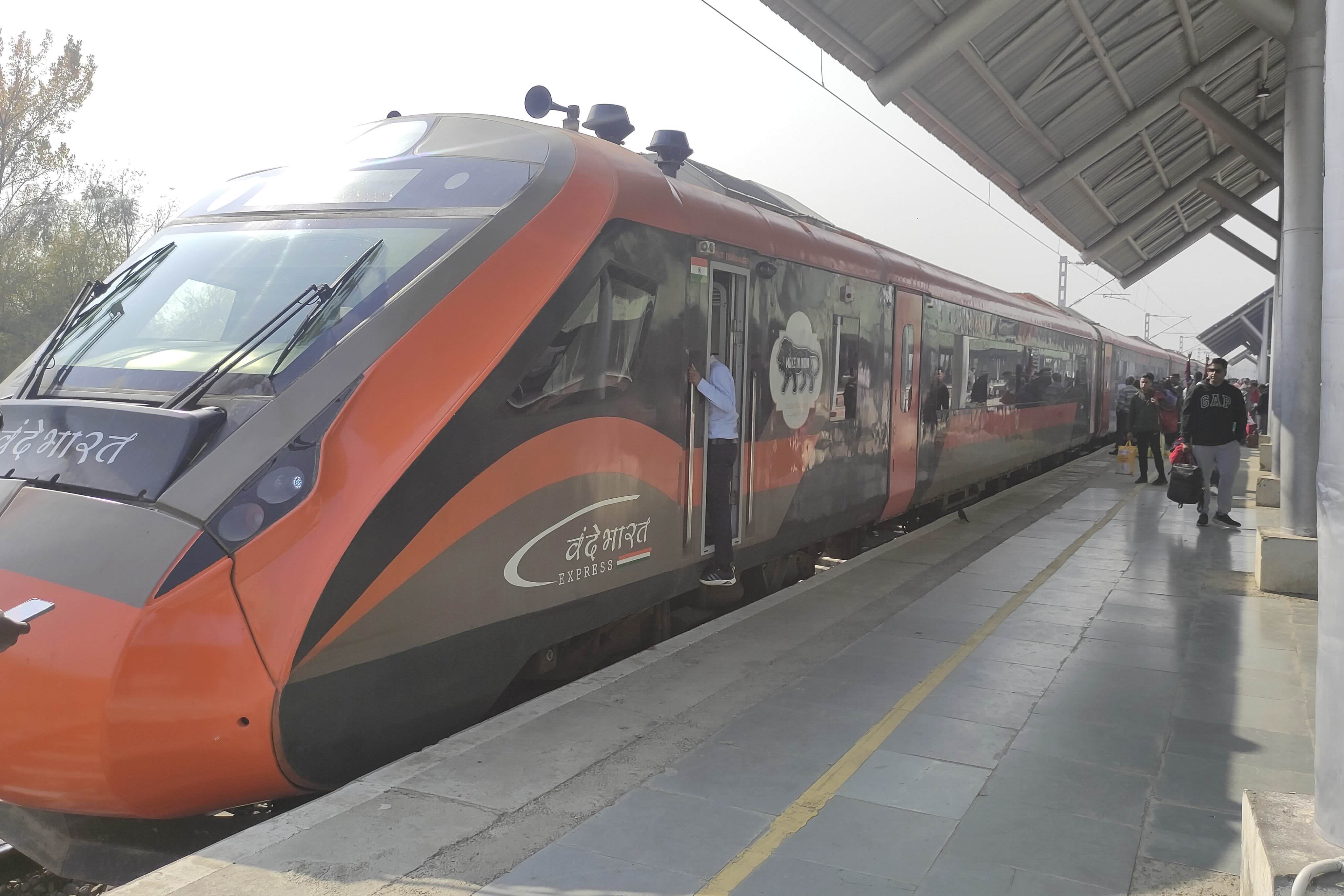
The day after the hike, it was time to resume my original plan to see India, but instead of flying out of Kashmir, I took the opportunity to try out one of India’s new highish-speed trains, the Vande Bharat Express, which now connects Srinigar and Jammu, the other main city in the territory, which lies outside of the vale in the Hindu majority lands bordering Pakistan. Although even this new train would be considered a bit tatty and old-fashioned in Europe, the actual track was very impressive as it traversed over deep Himalayan valleys using high railway bridges (one of which is currently the highest in the world) and likewise tunnelled directly through the mountains without diversion.
The security here was also very tight. Every carriage seemed to have a soldier in uniform waiting by the doors and they would patrol through the gangway now and then. Whenever we passed a station without stopping or entered one of the long tunnels, one saw rifle-wielding police officers standing by the tracks, looking into the train, presumably to check for hijackers.
Once I arrived in Jammu, I had dinner with some local university students, who I had met on the way and then headed to the railway station, where I was finally able to experience my first night-train on the Indian Railways. I took the Jhelum Express bound for Pune, though I only rode it for ~14 hours to Agra. Despite its somewhat bad reputation in the West, I was in 3rd class (AC) and found it quite comfortable and had interesting conversations with some fellow travellers, including a soldier from Kerala, a Jain and a Punjabi, who were all curious about my itinerary and I also learnt a lot about India reciprocally from them. In fact, I found 2nd class (AC) to be far more boring, as the people were more well-to-do and mostly kept to themselves and the added comfort was hardly worth it.